
Quality Control in PCB Manufacturing Assembly
The quality of printed circuit boards (PCBs) is critical to the functionality and reliability of any electronic device, from smartphones to complex industrial machinery. This is why top PCB manufacturing assembly firms like Creative Hi Tech impose strict quality control standards throughout the fabrication process. This ensures that the final product meets industry and customer expectations for performance, durability, and longevity.
The pcb manufacturing assembly process begins with CAD software, which helps engineers create the layout for the board. Then, the contract manufacturer will use the design files to produce the proper parts for the assembly. These include Gerber/ODB++, Bill of Materials, and Centroid (X and Y placement) files. These files are essential for ensuring that the final product meets the exact specifications of the design.
Once the PCB is fabricated, the next step in the process is to prepare it for the soldering process. A coating of solder paste is applied to the surface of the board, and this is then populated with components that are connected through pins and other leads. Once all the parts are properly set on the board, they are placed in a heating chamber to solidify them in place. The soldering process is followed by a thorough inspection to identify any defects. This is a crucial step in the quality control process, as it prevents defective products from being released into the market.
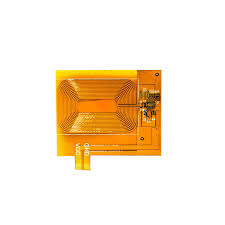
The Role of Quality Control in PCB Manufacturing Assembly
In addition to inspections, the QC process also includes a thorough functional testing protocol. This tests the overall functionality of the assembled PCB and simulates a real-world environment to verify that it will work as intended. This is one of the most important steps in pcb manufacturing assembly, as it ensures that all components are functioning as expected and that they meet the performance requirements specified by the customer.
As the need for more connected devices continues to grow at an accelerated pace, it is imperative that manufacturers perform thorough quality assurance testing. Despite the growing importance of connectivity, printed circuit boards (PCBs) remain at the core of all electronic devices. Consequently, it is critical that they are produced using the best quality control methods possible.
Once all components are placed, the board undergoes soldering. For SMT, this typically involves reflow soldering, where the board is passed through a reflow oven. The oven gradually heats the board, causing the solder paste to melt and solidify, forming reliable electrical connections. For THT, wave soldering is commonly used, where the board is passed over a wave of molten solder to bond the components to the PCB.
Top-performing PCB CMs understand the importance of quality control in pcb manufacturing assembly, and they utilize both automated and manual inspection techniques to ensure that the final product is high-quality. Automated inspection processes such as AOI and X-ray inspection help to save time while reducing errors. These inspection tools can detect issues that are not visible to the naked eye, such as solder bridging and component misplacement. By detecting these defects early, manufacturers can avoid costly recalls and warranty claims. These measures also help to improve production efficiency, resulting in a more streamlined and cost-effective assembly process.