
Flex Circuit Used
The flex circuit is a key component in smartphones. It allows the phones to be lighter, thinner and more flexible than they would otherwise be without it. This technology unlocks a whole host of design possibilities for smart phone makers, and it also helps them keep up with consumer demand for more advanced products in smaller sizes.
FPC flexible circuit boards have been around for over 30 years, but their popularity has exploded in the last few years as consumers seek more functionality from their devices in small packages. They’re especially popular in mobile devices like smartphones, tablets and wearable tech. Here’s how they work:
A flex circuit base material is the thin polymer film from which the copper foil paths are normally etched. The material has primary physical and electrical properties that are critical to the overall performance of a flex circuit, so it’s important to choose wisely. It can be rolled, annealed or electrodeposited, and it’s also available in a variety of thicknesses.
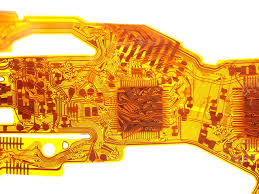
How is Flex Circuit Used in Smartphones?
Besides the base material, a flex circuit contains conductors, dielectric layers and adhesives. Conductors are the copper or aluminum lines that allow electric current to flow. They’re normally etched into the base material, but they can be soldered on or printed. A layer of insulator sits between the conductors and the substrate, to prevent contact or shorting. The insulator may be made from various materials including polyester, epoxy and solder mask.
The dielectric layer is the other main part of a flex circuit, and it keeps the conductors from touching each other. It also protects the conductors from chemicals and moisture, and it can be made from various materials including polyimide, PTFE (polytetrafluoroethylene), or even polyethylene naphthalene. In some flex circuit constructions, the dielectric is absent.
As a finishing touch, a conductive material layer, like gold or tin, is applied to the surface of the copper pathways in order to boost conductivity and fight corrosion. This step is particularly crucial for a flex circuit, since it will likely be exposed to high temperatures during manufacturing and assembly.
A specialized flex PCB maker will always use the best materials for making this type of product, and they’ll ensure that industry rules are met through every step of the making process. The resulting flexible circuits are reliable, durable and extremely versatile. They can be used in a wide range of electronics, from heads-up displays for aerospace piloting to minuscule medical devices such as heart monitors and hearing aids. They’re especially useful for combining multiple functions into compact, lightweight gadgets such as smartphones.