
HDI PCBs for Signal Processing
High-speed signal transmission and processing are vital for today’s electronic devices. Standard PCBs may not be suitable for these applications, but HDI boards offer higher functionality and performance in a smaller package. Moreover, these boards are less susceptible to electromagnetic interference, power noise, and crosstalk. The high interconnection density of HDI boards also improves the reliability and signal integrity, making them ideal for high-performance applications.
The layered structure of HDI PCBs makes them lighter, thinner, and shorter than standard multilayer PCBs. This enables them to fit more components in a smaller space, which can help improve their performance and function. This can be especially important in space-constrained products, such as mobile phones and portable electronics. In addition to the increased integration, HDI boards are more durable and can withstand harsh environmental conditions.
As a result, these boards are often used in aerospace and military applications. Nevertheless, the manufacturing process for hdi boards is slightly different from that of standard PCBs. To create a reliable HDI board, it is essential to use a quality dielectric material and copper foils that meet specific requirements. The dielectric must have a high glass transition temperature (Tg) to resist thermal shocks and the plated copper must adhere to the dielectric to maintain electrical connectivity.
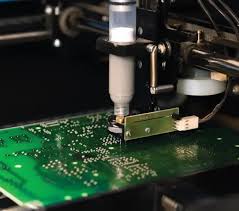
HDI PCBs for Signal Processing Applications
The design process for HDI PCBs requires careful attention to detail and close collaboration with fabricators. It is also important to follow the best design practices for manufacturability (DFM). These include avoiding over-provisioning and using an optimal layout with a good fanout strategy. Moreover, it is critical to have the correct layer stack-up and to choose the right surface finish for your product.
A good HDI manufacturing partner will have a large selection of materials to choose from and will be able to produce your board quickly. Moreover, they will have a high level of quality control and can provide you with detailed documentation on the manufacturing process.
In addition to the design process, there are several considerations for fabricating an HDI board, including its core material, dielectric thickness, and plating type. The most common surface finishes for HDI boards are immersion silver, immersion gold, HASL, OSP, and hard gold. The choice of surface finish is usually based on the customer’s preference.
Stacked vias go directly on top of each other, while staggered vias are offset. The choice between stacked and staggered vias is an important decision that can affect the performance of your PCB. To make an informed decision, you should consider the specific needs of your application and your budget. A good HDI manufacturer should be able to explain the pros and cons of each option. They should also be able to provide you with sample boards for testing. This way, you can see how the board works before committing to the production process. This will ensure a successful outcome and reduce the risk of costly mistakes.