
custom pcb be folded
The concept of foldable printed circuit boards (PCBs) has garnered significant interest in the electronics industry, particularly with the advent of increasingly compact and versatile devices. Custom PCBs, traditionally rigid and flat, are being reimagined to meet the demands of modern technology by incorporating flexible and foldable designs. However, the feasibility of folding custom PCBs comes with a range of considerations, benefits, and challenges.
Foldable PCBs are typically made from flexible substrates like polyimide, which can endure bending and folding without compromising the electrical integrity of the circuit. This flexibility opens up new possibilities for custom PCB design, allowing for the creation of devices that can be folded or bent into various shapes, enhancing their functionality and adaptability. For instance, foldable custom PCBs are particularly advantageous in wearable technology, medical devices, and compact consumer electronics, where space constraints and form factor are critical considerations.
One of the primary advantages of foldable custom pcb is their ability to reduce the size of electronic devices. By folding the PCB, designers can fit more components into a smaller area, enabling the development of compact and portable gadgets. This is especially valuable in applications like smartphones, laptops, and other handheld devices, where minimizing the device’s footprint is a significant priority. Additionally, foldable PCBs can improve the aesthetics and ergonomics of the final product, as they allow for more creative and innovative design solutions that were previously unattainable with rigid PCBs.
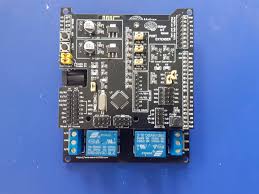
Can custom pcb be folded?
Despite these advantages, there are several challenges and limitations associated with foldable custom PCBs. One of the main challenges is ensuring the durability and reliability of the foldable PCB over its intended lifespan. Repeated folding and bending can stress the materials and solder joints, potentially leading to mechanical failures and electrical shorts. To address this, engineers must carefully select materials and design strategies that can withstand the mechanical stresses involved. This often involves extensive testing and simulation to predict and mitigate potential points of failure.
Another significant consideration is the complexity of the design process. Designing a foldable custom PCB requires a deep understanding of both electrical engineering and material science. Engineers must consider factors such as the minimum bend radius, the placement of components, and the routing of traces to ensure that the PCB can be folded without damaging the circuitry. This complexity can increase the time and cost associated with the design and manufacturing process, making it a more resource-intensive endeavor compared to traditional rigid PCBs.
Moreover, the manufacturing process for foldable custom PCBs can be more complicated and expensive. Specialized equipment and techniques are often required to fabricate flexible PCBs, and the production yields can be lower due to the increased potential for defects. These factors can drive up the overall cost, which may be a limiting factor for some applications, particularly those that require high volumes at low costs.
The integration of foldable PCBs into existing manufacturing and assembly processes also presents challenges. Traditional assembly techniques, such as surface-mount technology (SMT), may need to be adapted to accommodate the unique properties of flexible substrates. Additionally, handling and packaging foldable PCBs can require specialized procedures to prevent damage during production and transport.
In summary, while foldable custom PCBs offer exciting opportunities for innovation and miniaturization in electronics design, they come with a unique set of challenges. Ensuring the durability and reliability of the PCB, managing the complexity of the design process, and addressing the increased costs and manufacturing difficulties are all critical considerations. As technology continues to advance, ongoing research and development will likely lead to improved materials and techniques that further enhance the viability and performance of foldable custom PCBs.