
printed circuit board assembly
Printed Circuit Board Assembly (PCBA) serves as the backbone of electronic devices, enabling their functionality and performance. However, one of the critical questions surrounding PCBA is whether it can withstand harsh environments. From extreme temperatures to high humidity, and exposure to corrosive substances, electronic devices often face challenging conditions. So, can Printed Circuit Board Assembly truly endure such harsh environments?
The answer lies in the materials, components, and manufacturing processes used in the printed circuit board assembly. Modern PCBs are typically made from robust materials such as fiberglass-reinforced epoxy laminates, which offer excellent mechanical strength and dimensional stability. These materials provide a sturdy foundation for the components mounted onto the PCB.
Furthermore, the components themselves are designed to meet stringent standards for reliability and durability. Manufacturers often use components with wide operating temperature ranges and high resistance to environmental factors such as moisture, dust, and vibration. This ensures that the PCBA can perform reliably even in adverse conditions.
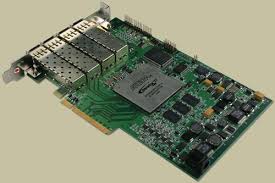
Can printed circuit board assembly withstand harsh environments?
To enhance the resilience of Printed Circuit Board Assemblies, manufacturers employ various techniques during the assembly process. For instance, conformal coating is a common practice where a thin protective layer is applied to the surface of the PCB to shield it from moisture, dust, and other contaminants. This coating acts as a barrier, preventing potential damage to the components and traces.
Another crucial aspect of ensuring the robustness of PCBA is the soldering process. High-quality solder joints are essential for maintaining electrical connections, even in harsh environments. Techniques such as reflow soldering and selective soldering are employed to achieve strong and reliable solder joints that can withstand thermal cycling and mechanical stress.
Moreover, thorough testing and quality control measures are implemented to identify and rectify any potential weaknesses in the PCBA. Environmental testing, including temperature cycling, humidity testing, and thermal shock testing, simulates real-world conditions to assess the performance and reliability of the assembly under harsh environments.
Despite these measures, it’s essential to recognize that no Printed Circuit Board Assembly is entirely immune to the effects of extreme conditions. However, by employing robust materials, components, and manufacturing processes, PCBA can significantly increase its resilience and longevity in harsh environments.
In certain industries such as aerospace, automotive, and industrial automation, where reliability is paramount, additional measures may be taken to enhance the ruggedness of PCBA. This includes the use of specialized coatings, encapsulation, and ruggedized enclosures to provide extra protection against environmental factors and mechanical stress.
In conclusion, while Printed Circuit Board Assembly may not be invulnerable to harsh environments, it can certainly withstand a wide range of challenging conditions when designed and manufactured with durability in mind. By leveraging high-quality materials, components, and assembly techniques, PCBA can continue to deliver reliable performance across various applications, even in the face of adversity.